Pole Dance Choreography: Why Freestyle Comes Before Structure
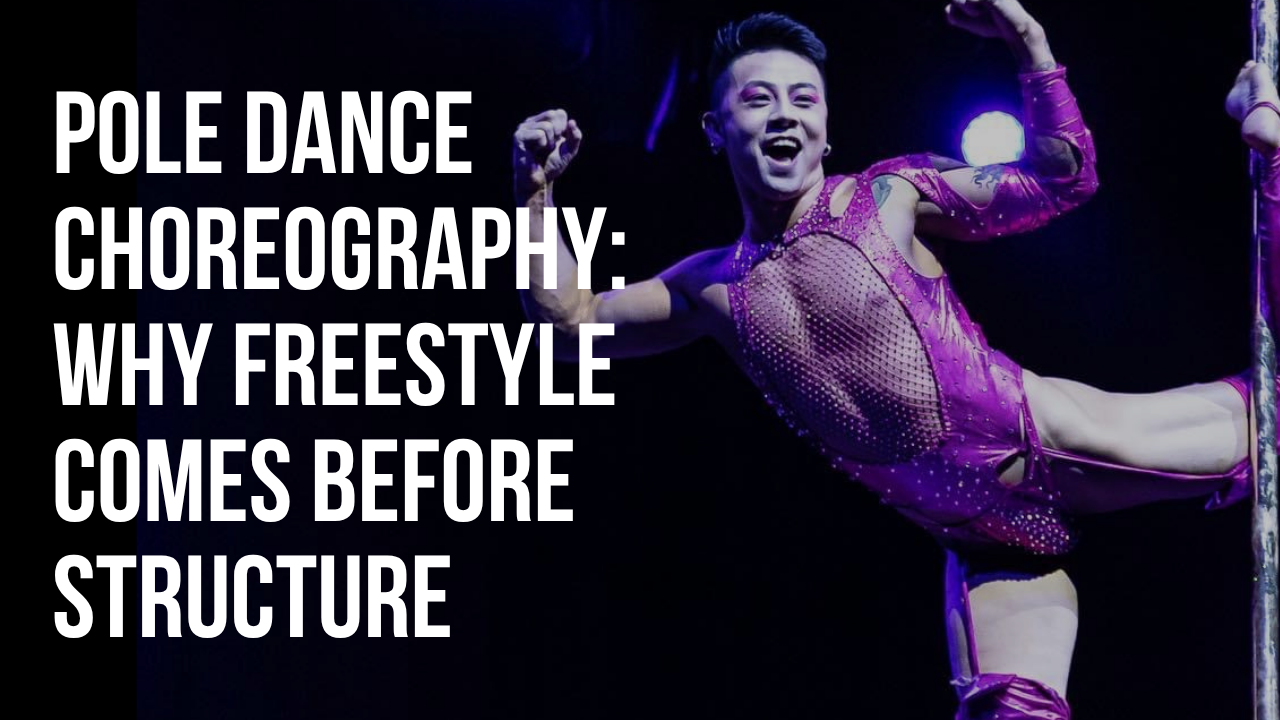
Most competitors approach pole dance choreography by trying to plan everything first. They search for pole dance choreography ideas, pole dance choreography tips, or how to structure a pole dance routine. It feels logical to start with structure, but this is where most routines break down. When you start pole dance choreography from your head, your movement becomes forced, your transitions become unclear, and your routine becomes harder to execute under pressure. If you want to build pole dance choreography that actually scores, you need to start with freestyle before structure. If you want to apply this process directly, you can start inside Comp Ready.
Why Pole Dance Choreography Feels Forced
When pole dance choreography feels heavy or confusing, the issue is not your ability. The issue is your process. Starting pole dance choreography from your head forces you to fit movements onto music instead of responding to it. This disrupts your pole dance flow and creates hesitation in tra...
Why Last-Minute Changes Lower Your Pole Dance Competition Score
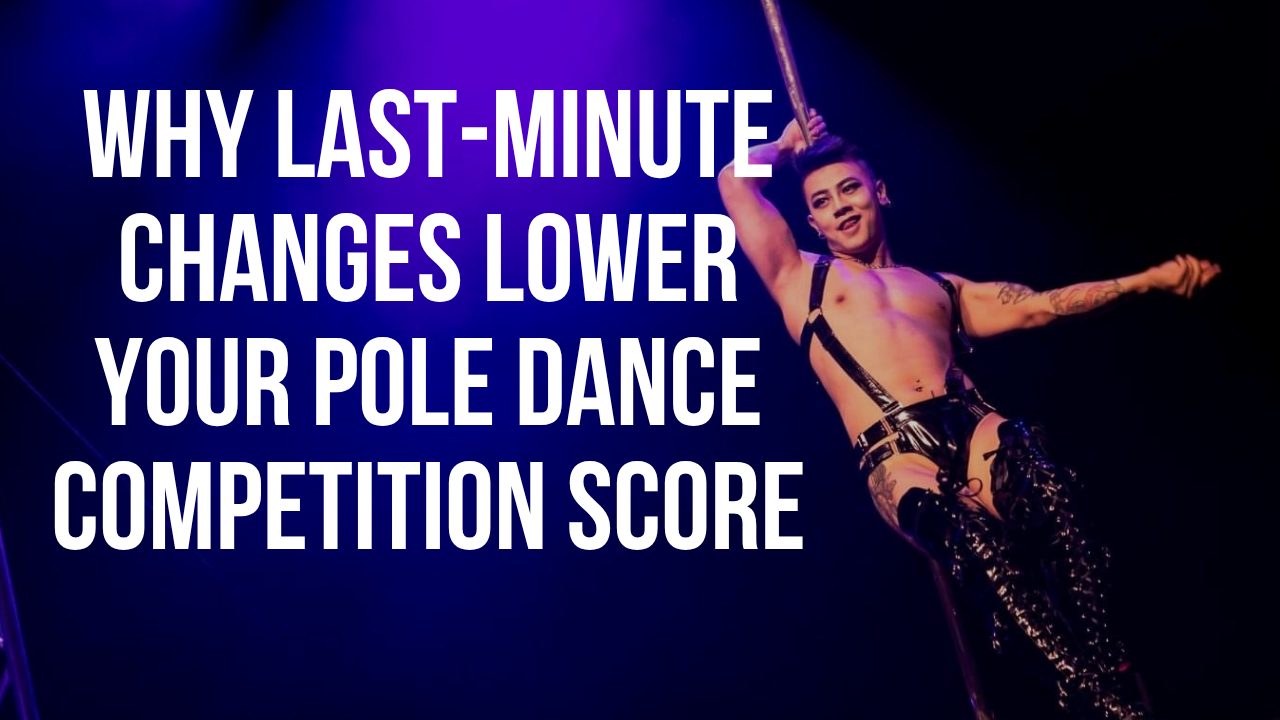
Most competitors make last-minute changes to their pole dance competition routine because something feels off. They watch their run-through and think it is not enough. So they add more. A harder combo. A bigger ending. Another highlight moment. It feels productive, but it creates the opposite result. Last-minute changes do not improve your pole dance competition routine. They reduce clarity, disrupt execution, and lower your score. If you want a structured way to build a pole dance competition routine that holds under pressure, you can start inside Comp Ready.
Why Your Pole Dance Competition Routine Score Isn’t Improving
There is a common belief in pole dance competition preparation that more leads to better results. More tricks. More difficulty. More effort. But pole dance judging criteria does not reward volume. Judges assess how clearly your routine translates into clean, controlled execution. A more difficult pole dance competition routine does not guarantee a higher score. In...
How to Choose a Pole Dance Competition Costume That Actually Scores
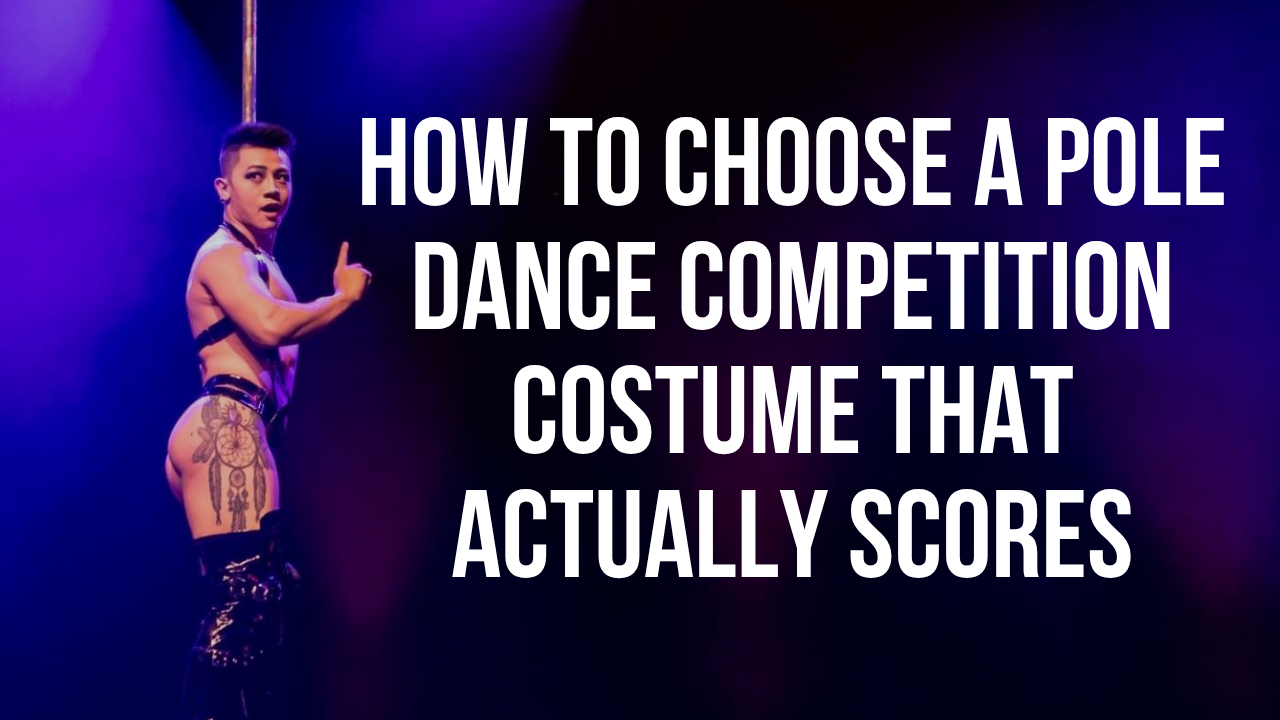
Most competitors think their pole dance competition costume is about appearance. They search for pole dance outfit ideas, what to wear for a pole dance competition, or the best pole dance outfit for competition. It feels like a styling decision, but it is not. Your pole dance competition costume directly affects your performance, your execution, and how judges apply scoring criteria. If your pole dance competition costume does not support your movement, your grip, and your concept, it will cost you points. If you want to learn how to choose a pole dance competition costume that aligns with judging criteria, you can start inside Comp Ready.
Why Your Pole Dance Competition Costume Affects Your Score
In pole dance judging criteria, your pole dance competition costume is part of performance, not decoration. Judges assess whether your pole dance competition costume supports your concept, your movement quality, and your overall routine structure. If your costume slips, restricts moveme...
How to Choose Pole Dance Competition Music That Actually Scores

Most competitors search for the same thing when preparing for a pole dance competition. Best pole dance songs, pole dance competition playlist, or music ideas for a pole dance routine. It feels productive, but it creates the wrong outcome. You are not choosing a song. You are learning how to choose pole dance competition music that supports scoring. In pole dance competitions, your music directly impacts musicality, pole dance choreography, performance quality, and how judges apply scoring criteria. If your music is not structured, your routine cannot score clearly. If you want a structured way to choose music using judging criteria, start with Comp Ready.
Why Pole Dance Competition Music Affects Your Routine Score
In pole dance judging criteria, music is not background. It is part of your pole dance routine structure. Judges evaluate how your movement aligns with your pole dance competition music through timing, contrast, and control. If your music has no contrast, no phrasing, a...
Your Music Is Too Safe. Why Judges Need to Feel Something First

Most competitors choose music that fits their routine.
From a judging perspective, that choice is already limiting your score.
High-scoring routines don’t start with choreography.
They start with music that demands attention.
If your music doesn’t make judges feel something early, you’re already behind, no matter how strong your tricks are.
Why Safe Music Keeps Routines Forgettable
“Safe” music usually has a few things in common:
-
Familiar
-
Pleasant
-
Predictable
-
Easy to choreograph to
And that’s exactly why it blends in.
Judges don’t score familiarity.
They score impact, intention, and connection.
When music feels neutral, routines blur together. Judges stay analytical instead of emotionally engaged.
Neutral is not where high scores live.
Music Is the Emotional Blueprint of Your Routine
Your music is not background sound.
It is the emotional foundation of your entire performance.
Judges subconsciously use your music to assess:
-
Emotional commitmen
...
Pole Competition Prep: The Real Cost Beyond Tricks, Time, and Money
Pole Competition Prep: The Real Cost Beyond Tricks, Time, and Money
Most dancers think the hardest part of pole competition prep is the routine.
The tricks.
The combinations.
The stamina.
From a judging perspective, that is rarely what causes a performance to fall apart.
Most pole competition routines fail because the preparation never matched the person performing it.
Pole Competition Prep Is a Capacity Decision
Pole competition prep is not just about choreography.
It is about whether your time, recovery, and nervous system can sustain the demands of competition.
Every competition asks something from you long before you step on stage.
Not just physically, but systemically.
- Time availability
- Recovery capacity
- Mental focus
- Emotional regulation
- Financial pressure
When these factors are not accounted for early, the nervous system absorbs the cost later.
This is why dancers with strong choreography still rush, grip harder than usual, lose breath, or mentally check out on...
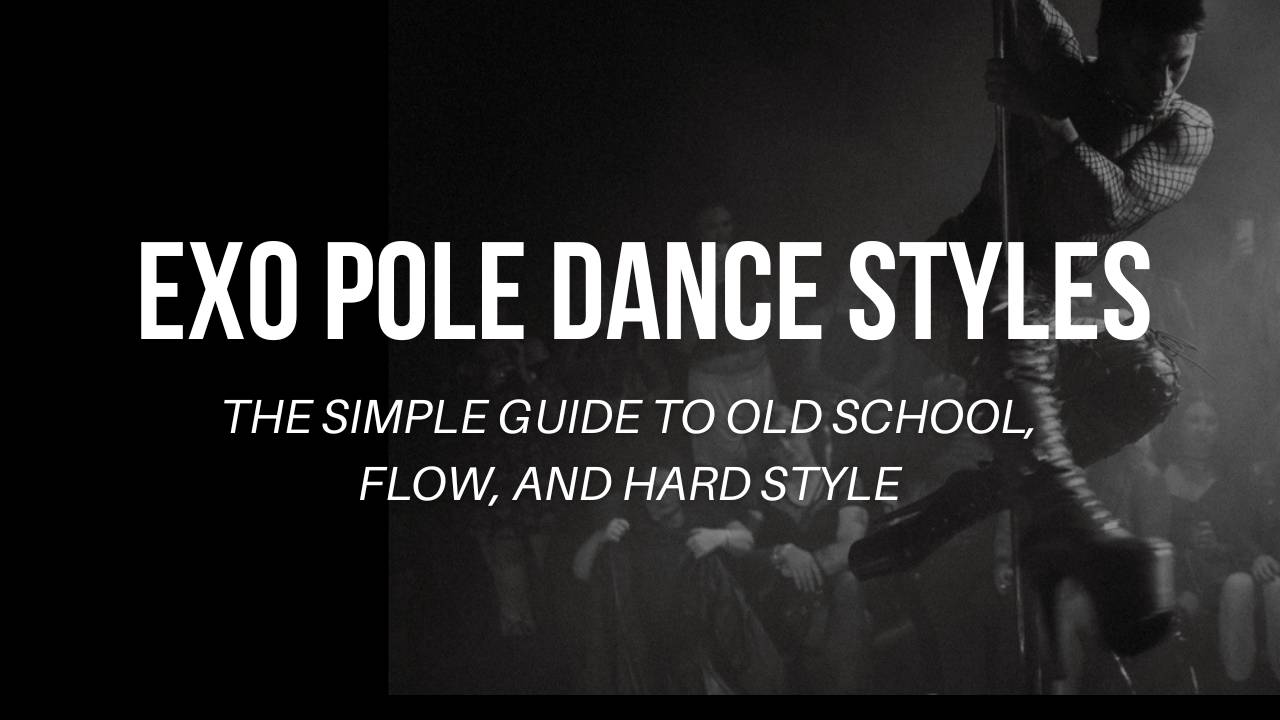
Your Routine Doesn’t Need More Tricks: What Judges Actually Score
Your Routine Doesn’t Need More Tricks: What Judges Actually Score
Most competitors believe their pole competition routine needs more.
More tricks.
More difficulty.
More happening at once.
From the judging panel, this is usually the problem — not the solution.
When judges give feedback like unclear, rushed, or hard to read, they are not asking for more content.
They are saying one thing:
We could not follow your intention.
That is not a trick problem.
That is a structure problem.
How Judges Evaluate a Pole Competition Routine
In a pole competition routine, judges are not scoring how many tricks you attempt.
They are scoring clarity.
- Clarity of execution
- Clarity of transitions
- Clarity between movement and music
- Clarity of stamina from start to finish
When routines are stacked with difficulty but lack structure, intention gets buried. Execution drops. The routine becomes visually noisy and hard to follow.
Difficulty without clarity lowers scores.
Why Adding Tricks ...
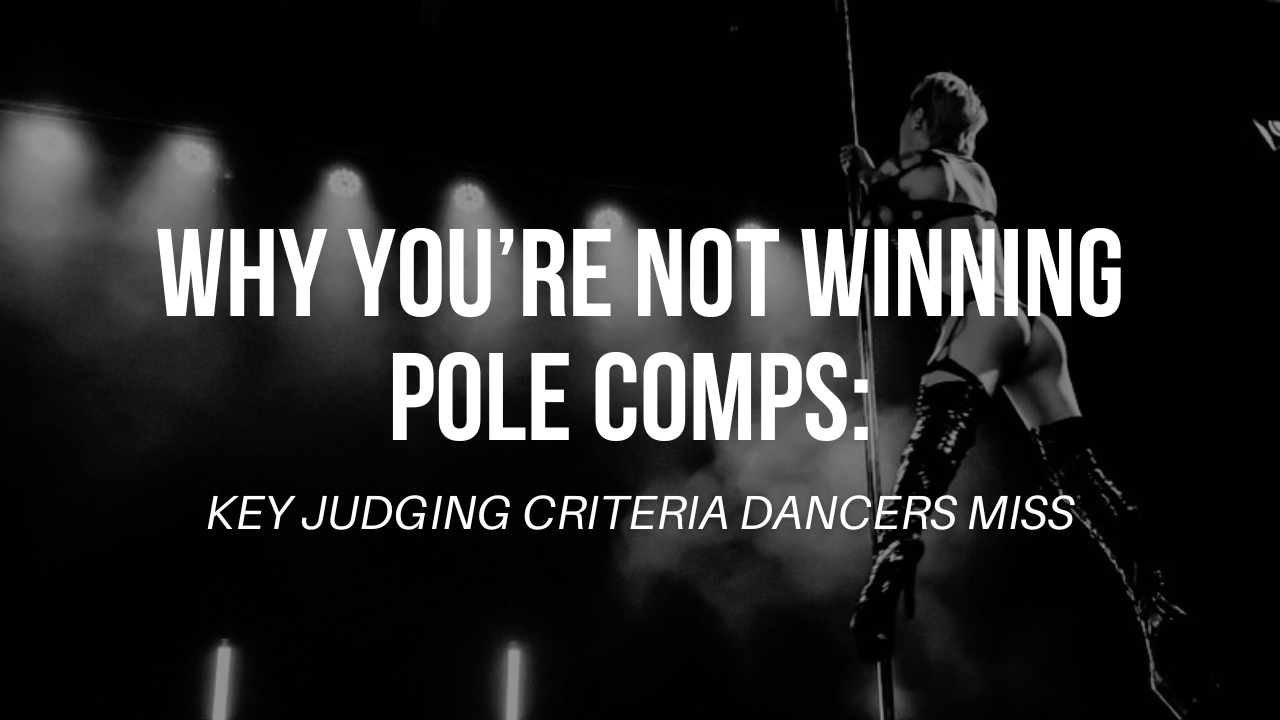
Why You Are Not Winning Pole Competitions: The Judging Criteria Most Dancers Miss
Why You Are Not Winning Pole Competitions: The Judging Criteria Most Dancers Miss
Pole competition judging criteria explained in a simple guide. Learn why talented dancers lose points, how judges actually score routines, and how to avoid category mismatch, musicality errors, and execution issues. Includes personalized routine feedback and competition-prep system recommendations.
Competing in pole dance is one of the most transformative experiences you can have, but it is also one of the most confusing. Many dancers leave the stage feeling confident, only to receive feedback that does not match what they expected.
After years of judging competitions around the world, I have seen the same patterns consistently. Dancers are talented, committed, and hardworking, yet they lose points for reasons that could have been avoided with more clarity and preparation.
This guide will help you understand what judges truly look for so you can build routines that score higher, feel more intentional,...
Exo Pole Dance Styles: The Simple Guide to Old School, Flow, and Hard Style
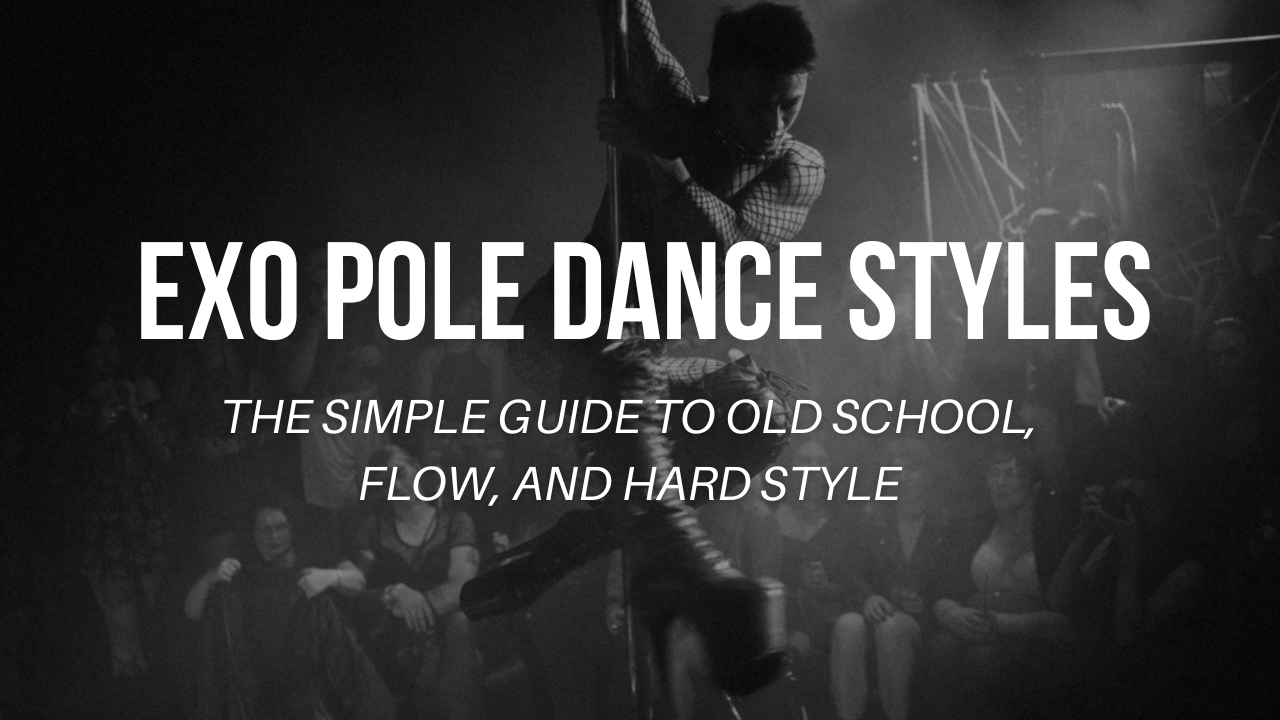
Understanding exo pole dance styles is one of the most important parts of becoming a confident dancer, yet it’s also one of the most confusing. Many dancers struggle to identify their style, choose the right category, or choreograph in a way that feels aligned and intentional.
After years of performing, teaching, and judging globally, I’ve learned that having clarity about your style can completely transform your growth, expression, and competitive results.
This guide breaks down the three major pole dance styles: Old School, Flow, and Hard Style, so you can finally understand where your movement naturally fits.
It’s a complete pole dance style guide designed for both hobbyists and competitors.